
Last updated August 25, 2026
Free on-site gate assessment - hinges, posts, and your LiftMaster or Nice gate operator checked before anything is quoted
The assessment is free and the quote is the invoice.
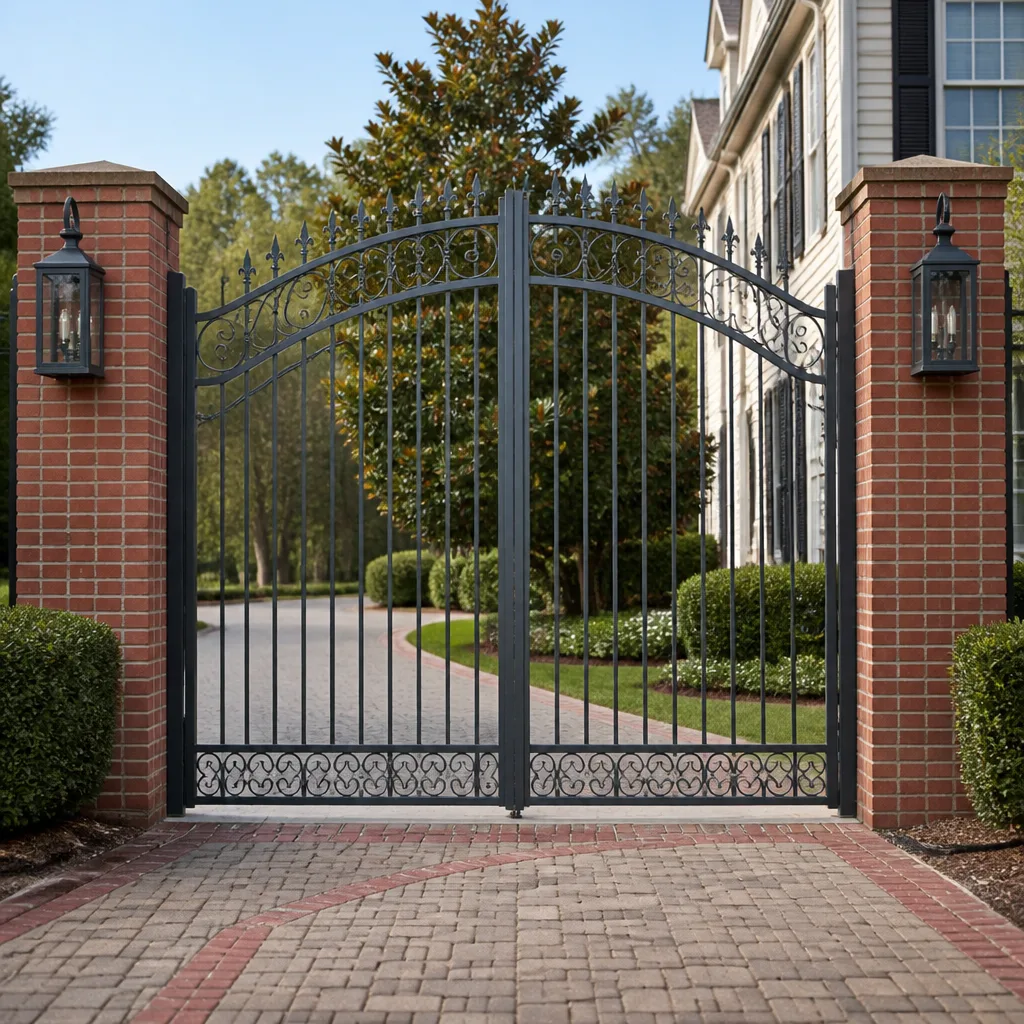
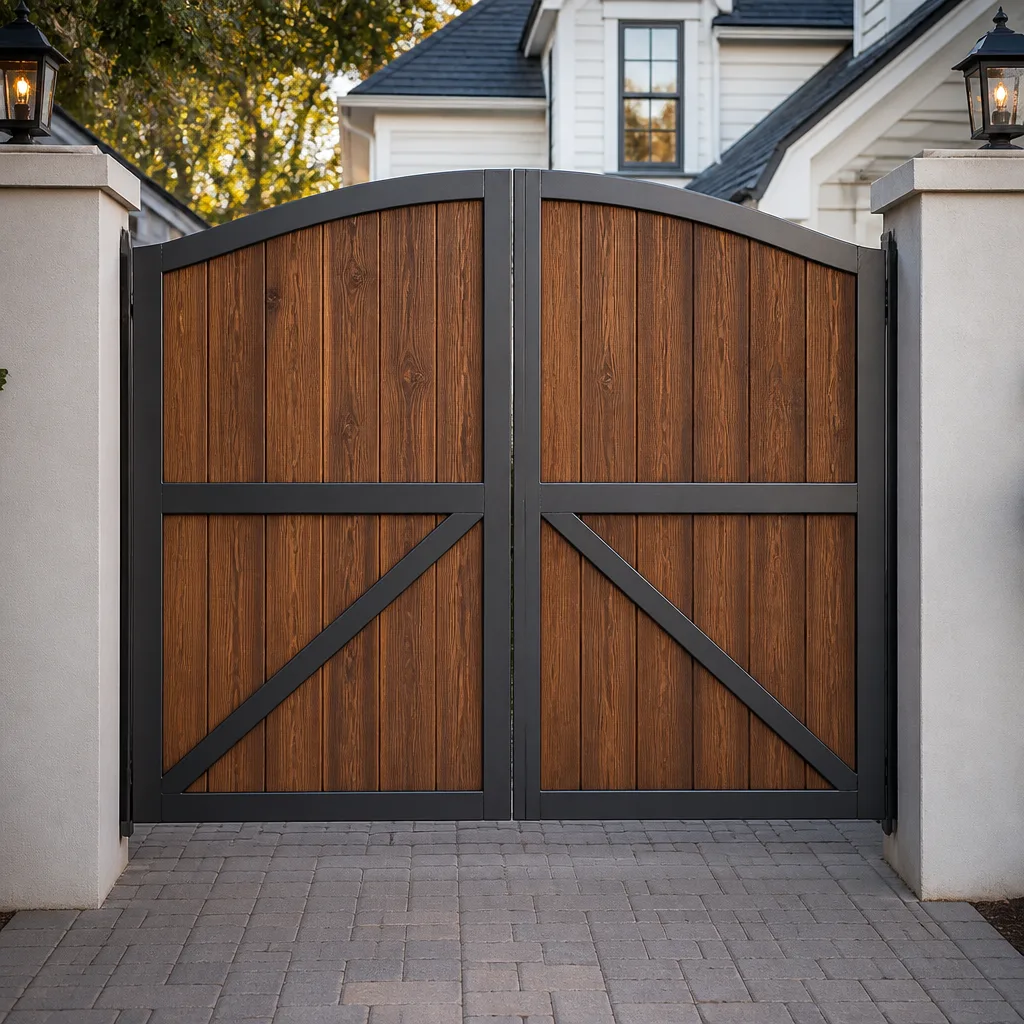
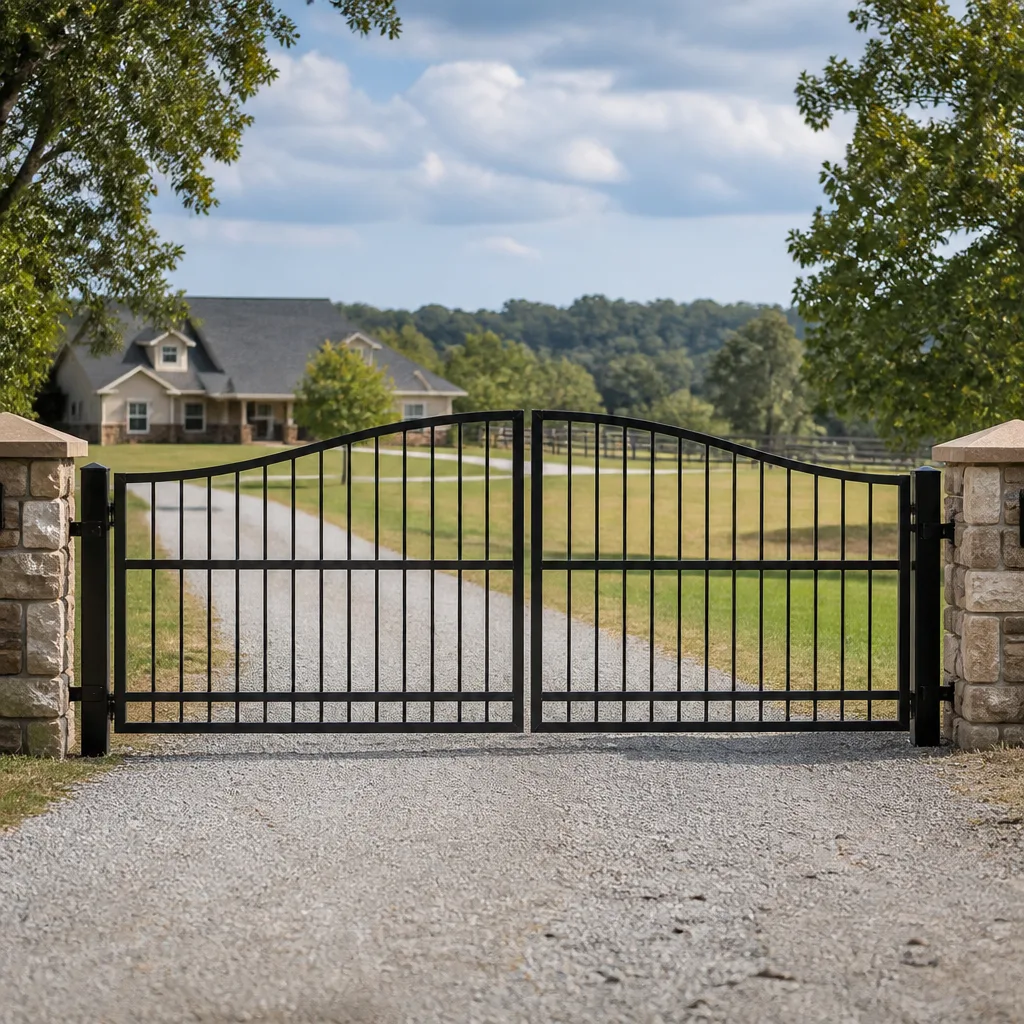
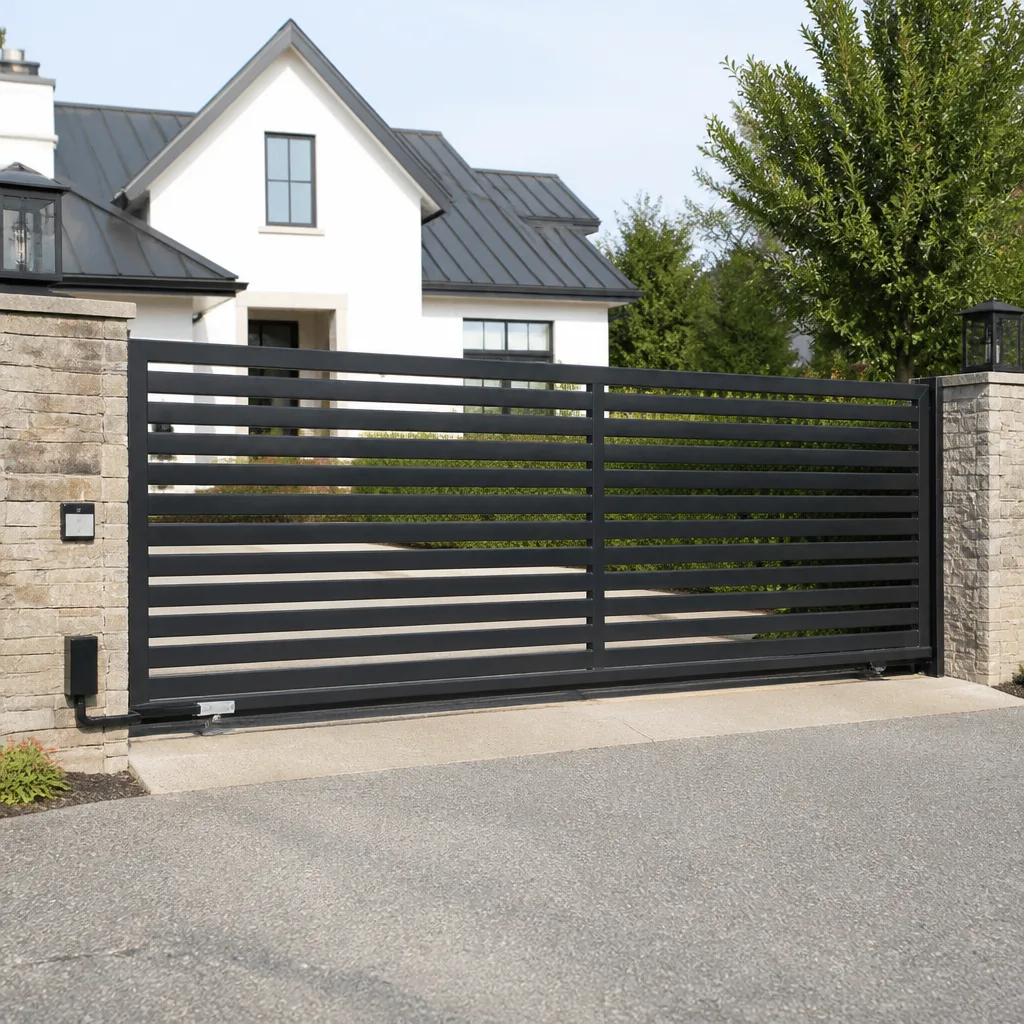
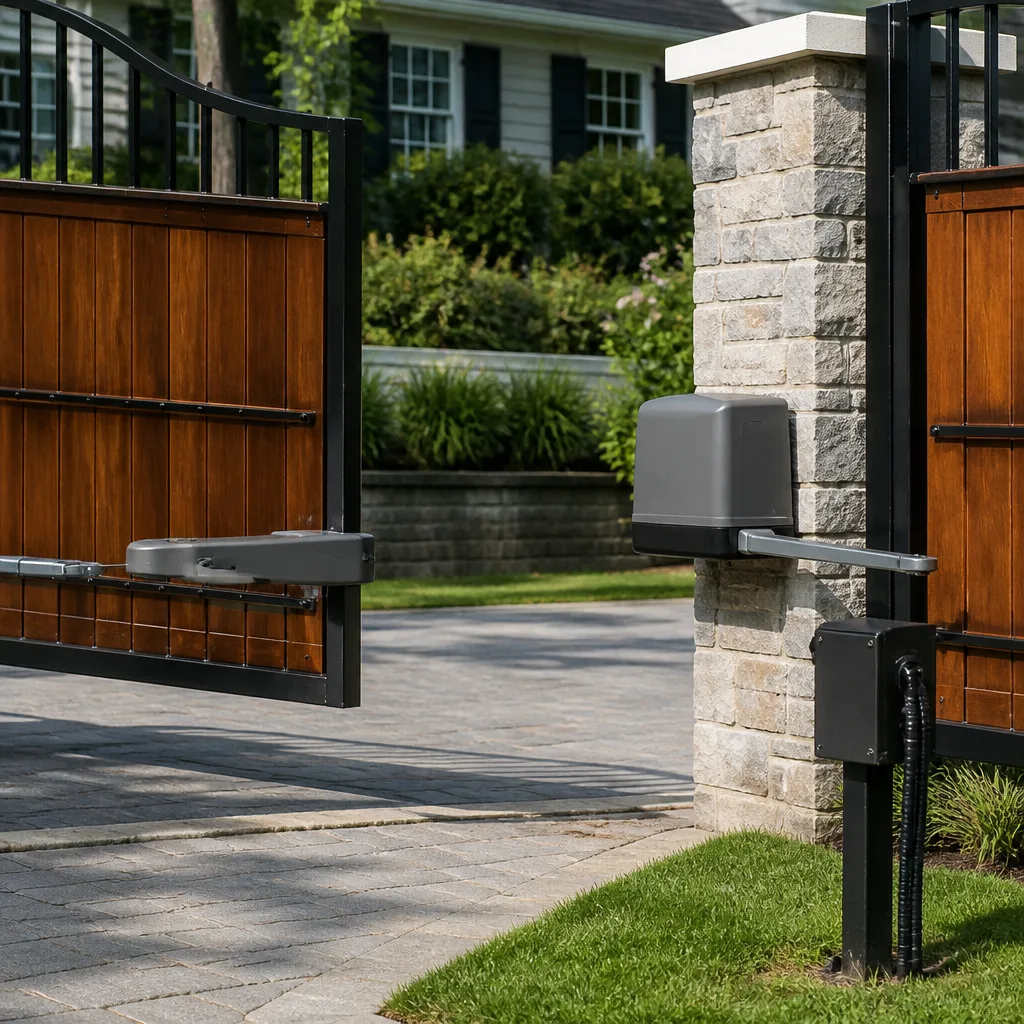
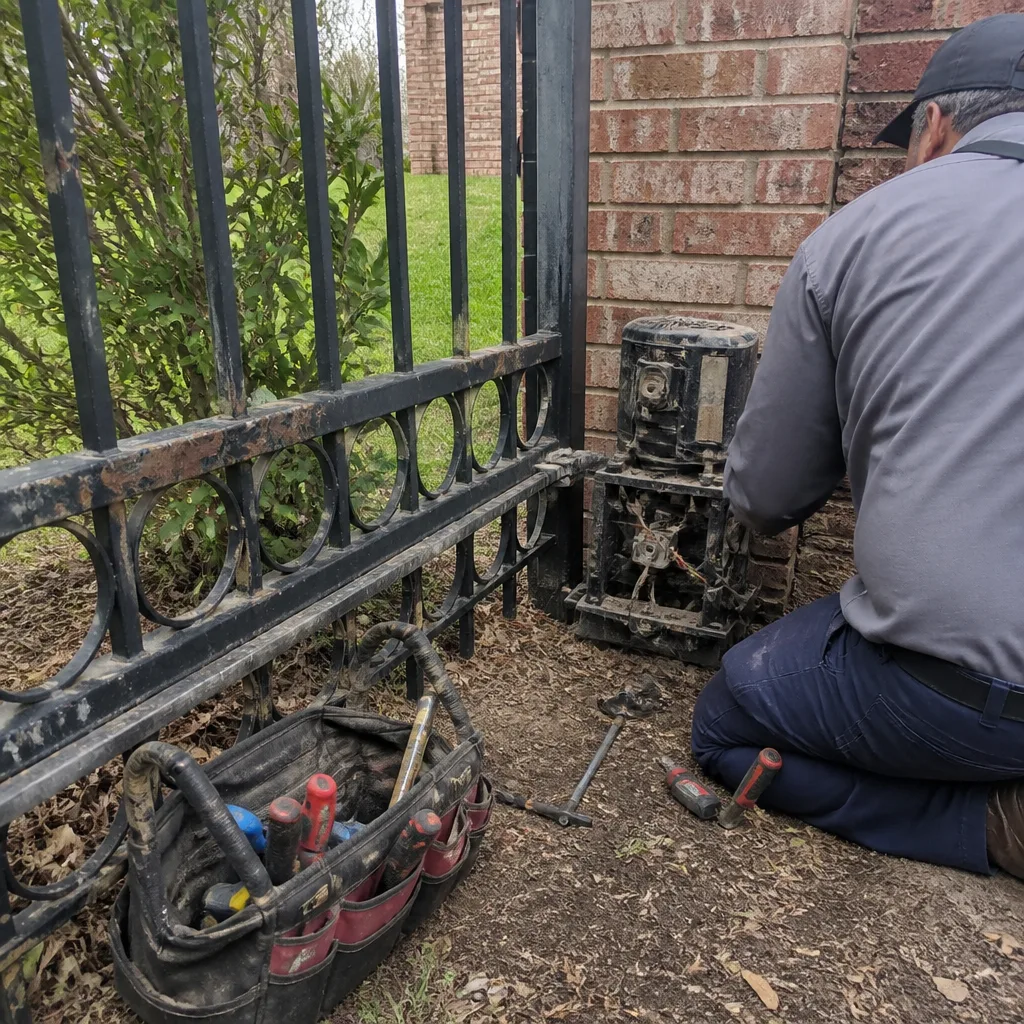 Before
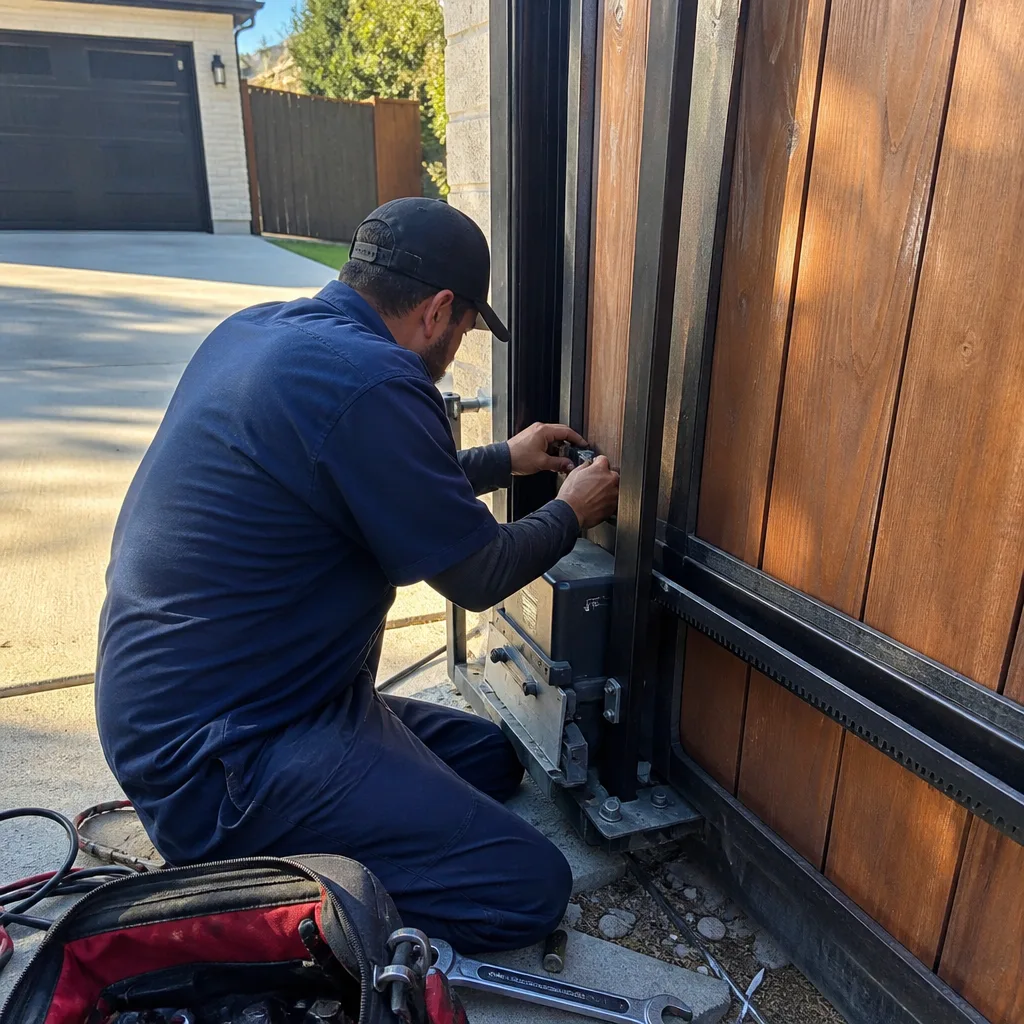 After
After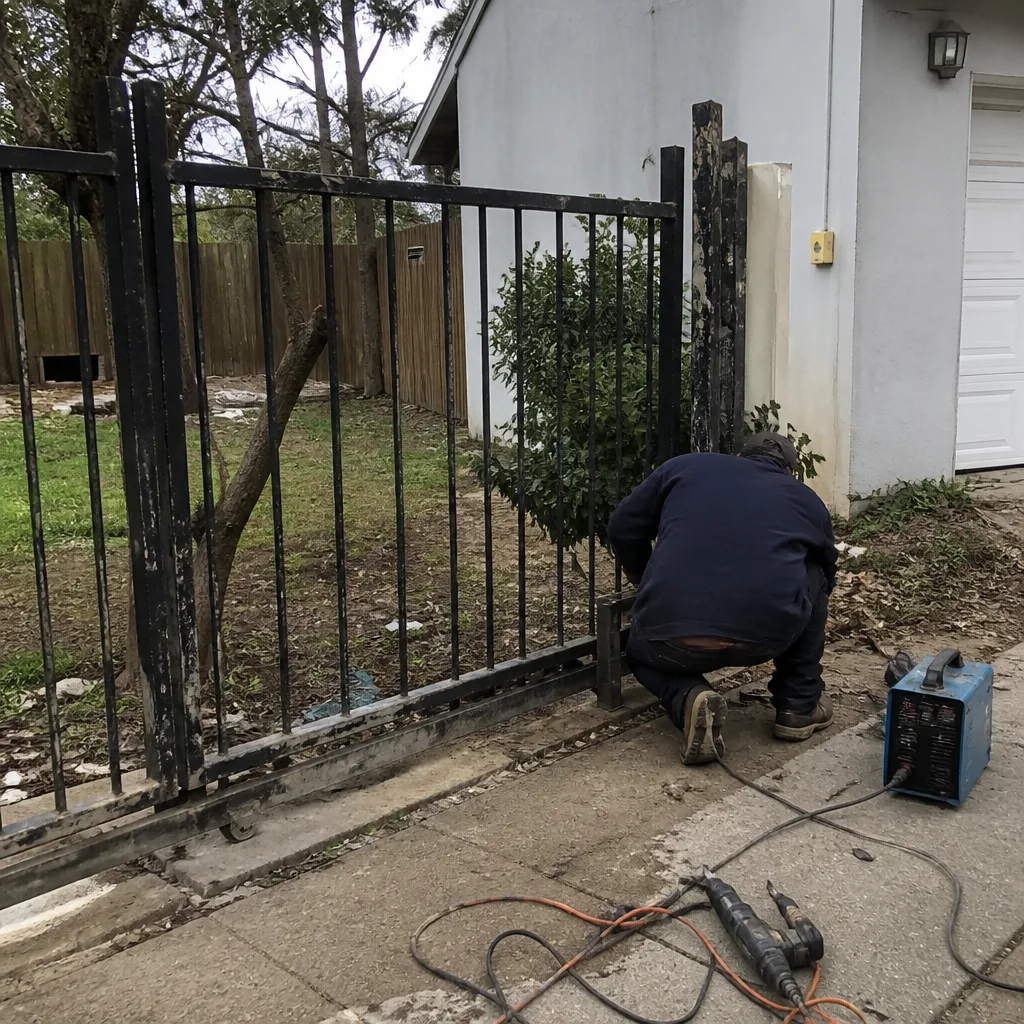 Before
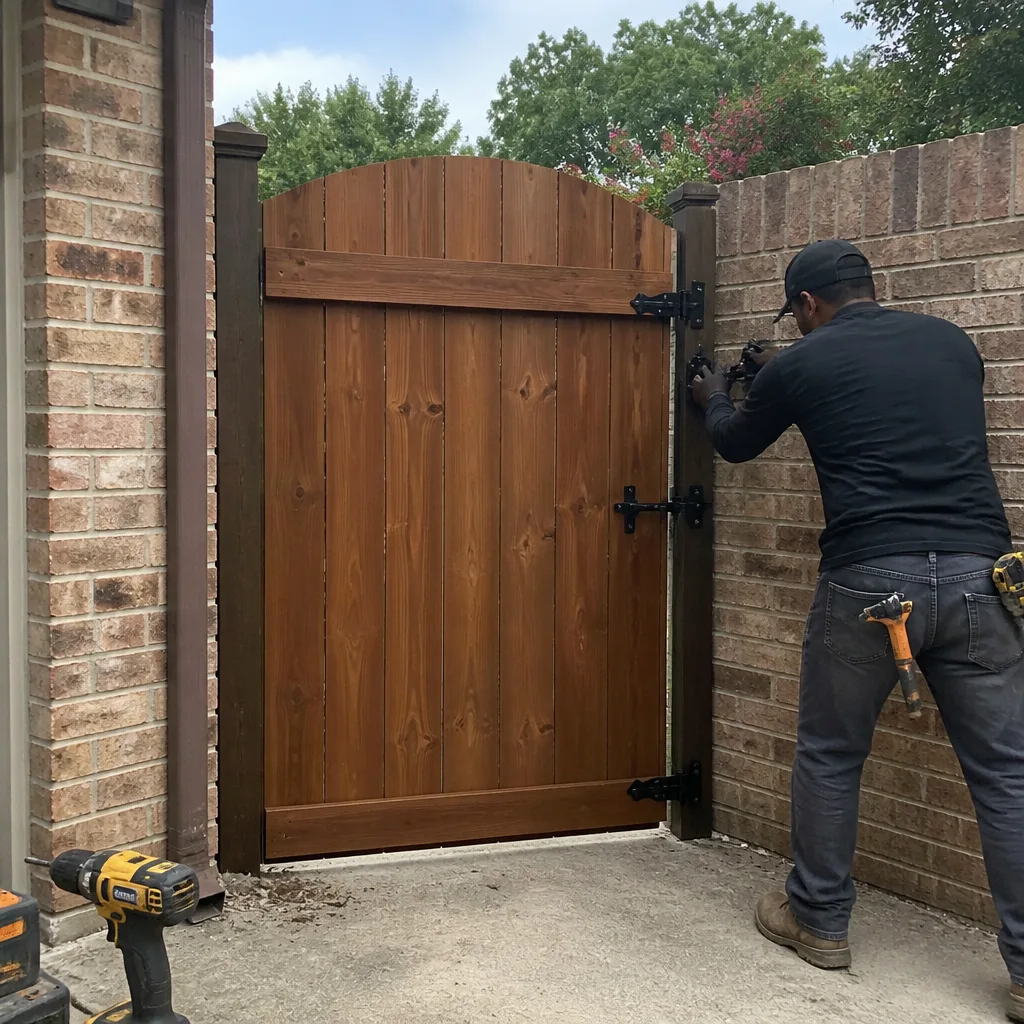 After
After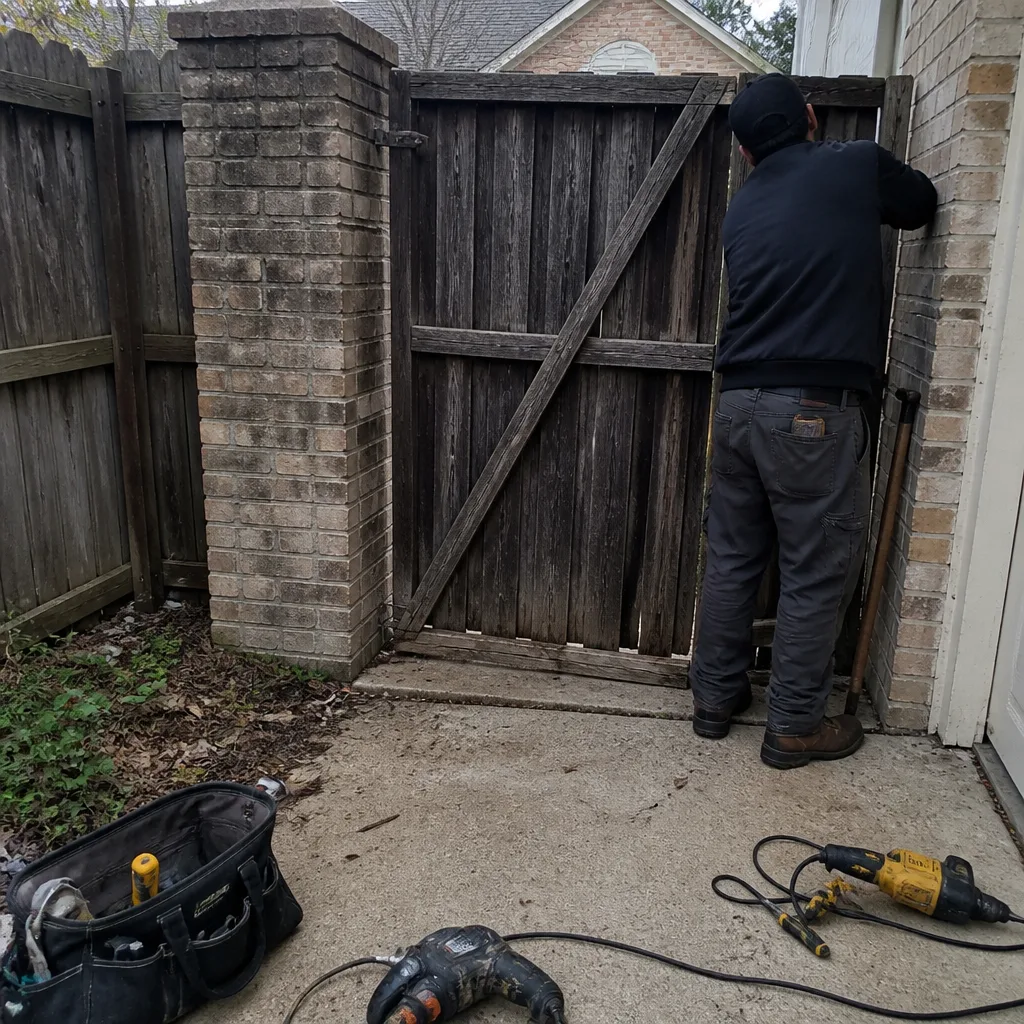 Before
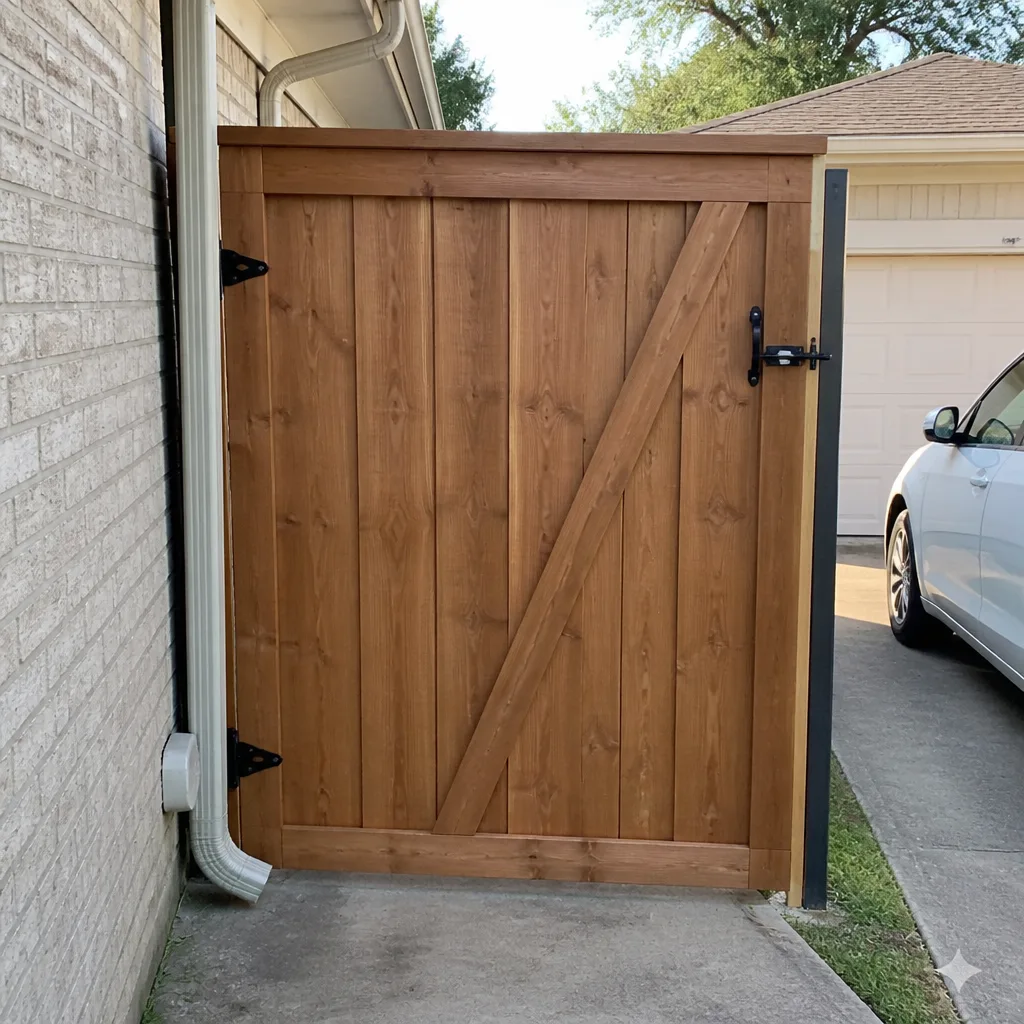 After
AfterGate Repair Permits, Codes & Inspections in TX: What You Need to Know
Most homeowners in Texas don’t discover they needed a permit until the gate is already welded, wired, and swinging. The second most common discovery is that their automatic opener has been out of code compliance since the day it was installed by a previous owner, a handyman, or a contractor who knew better but didn’t care. In Euless, where hundreds of homes sit behind iron and steel driveway gates that were custom-built decades ago, these discoveries happen more often than they should. Aging gate frames settle, opener safety systems fail quietly, and city inspection records get buried. This guide walks through the permit landscape, the codes that actually govern gate repair and installation in Texas, what an inspector looks for, and how to avoid paying for the same mistake twice.
Quick Answer
In Texas, most gate repairs such as hinge replacement, welding, or opener swaps do not require a permit, but moving or rebuilding a gate, changing its swing direction, or installing a new automatic opener often does, especially at the city level in places like Euless. Code compliance centers on UL 325 safety standards for automatic gates, which mandate entrapment protection like photo eyes, reverse loops, and audible alarms. A homeowner can handle cosmetic repairs freely, but any work involving line voltage, poured footings, or changes to gate geometry should be checked against local requirements and is best handled by a professional who carries liability insurance and knows the inspector by name.
Table of Contents
- When a Gate Repair Permit Is Actually Required in Texas
- How the City of Euless Handles Gate Permits and Inspections
- UL 325 and Texas Gate Safety Codes You Need to Know
- HOA Rules That Override or Complicate City Permits
- Electrical, Welding, and Structural Standards for Gate Work
- What an Inspector Checks on Inspection Day
- Paperwork, Fees, and the Permit Timeline in Euless
- What a Homeowner Can Legally Handle Without Any Permit
When a Gate Repair Permit Is Actually Required in Texas
Texas does not have a single statewide gate permit. The state defers to individual municipalities, which means a gate repair that’s permit-free in one suburb may require a filing, a fee, and an inspection in the next. In practice, most Texas cities follow a common pattern: repairs that restore the gate to its original condition are exempt, while work that alters the structure, relocation, or power supply crosses into permit territory. Replacing a broken hinge, welding a cracked rail, or swapping a failed opener board is maintenance. Moving a gate post, widening the driveway opening, reversing the swing direction, or pouring new concrete footings is construction, and construction needs a permit in nearly every incorporated city in the Dallas-Fort Worth metroplex, including Euless.
Here’s the practical breakdown we use when a homeowner asks whether their job needs paperwork:
- No permit needed: hinge and wheel replacement, weld repair on existing steel, opener motor replacement where the existing power supply and conduit are reused, keypad or receiver replacement, cosmetic repair such as powder coat touch-up or rust remediation.
- Permit likely required: new gate installation on a fresh driveway, any new 120-volt electrical run from the panel to the gate, poured concrete footings or bracket pads, gate relocation or swing-direction reversal, pillar or column construction, and any gate over 7 feet tall in most DFW municipalities.
- Gray area that varies by city: replacing an entire gate frame while reusing the old posts, adding a slide gate where none existed, or installing a solar-powered opener that doesn’t tap the house electrical system. In our experience, Euless treats the first as repair and the second as new construction, but a quick call to the building department settles it in five minutes.
The cost of guessing wrong is not trivial. Unpermitted structural work discovered during a home sale can delay closing, trigger back permit fees, and in some cases require demolition of the gate to allow inspection of the footings. Homeowners in Euless have told us about gates installed by previous owners that had to be dismantled so a city inspector could verify post depth and concrete coverage before the title company would release funds. The gate itself may still be in perfect working order. That doesn’t matter. If the paperwork doesn’t exist, the buyer’s lender may treat it as a liability.
How the City of Euless Handles Gate Permits and Inspections
Euless operates a building safety department that reviews gate work through the same lens as fence and driveway construction. The city is part of the Dallas-Fort Worth building code ecosystem and adopts the International Residential Code with local amendments, which means gate permitting generally falls under two categories: structural review (posts, footings, gate mass, wind load) and electrical review (any line-voltage connection to an opener). A gate that is purely mechanical, welded from steel tube and hung on existing posts, typically requires no structural permit in Euless. A gate that includes a new automated opener with 120-volt power, a direct-burial cable, or a sub-panel tap absolutely does.
What surprises many homeowners in Euless is how much of the review process is driven by setbacks and easements. The city checks that a new gate doesn’t block a utility easement, doesn’t swing out over a public sidewalk, and doesn’t create a sight-line issue at a driveway corner. A driveway gate that has been there for twenty years and is simply being repaired is generally grandfathered against newer setback requirements. But if that same gate is replaced with a new structure, the new structure must meet today’s setbacks. We’ve seen that distinction force homeowners into a smaller gate opening than they previously had, because the old gate had been sitting inside a platted utility easement for decades and the new review process caught it. That’s not an argument against permits. It’s an argument for knowing the rules before the concrete truck arrives.
For automation work, the city’s electrical inspector is primarily concerned with four things: the circuit is GFCI-protected at the source, the underground conduit or direct-burial cable is rated for the application and depth, the opener is UL 325 listed, and all safety devices (photo eyes, reverse loops, audible alarm) are installed and tested at the time of inspection. We have walked through enough of these inspections to know that the electrical review is usually quick and pragmatic. The inspector wants the same thing the homeowner wants: a gate that can’t hurt someone and a circuit that can’t arc underground.
Permit fees in Euless for gate and electrical work are modest, typically in the low hundreds of dollars depending on the project valuation or the number of electrical circuits involved. The bigger cost is time: plan review can take a few days to two weeks depending on volume, and the inspection itself is usually scheduled within 24 to 48 hours of the request. Homeowners who call us in Euless often ask if we handle the permit paperwork. We do. It’s part of the job, and it should be part of any professional gate contractor’s job. If a contractor tells you the permit “isn’t really necessary” for a new opener, that’s a red flag, not a favor.
UL 325 and Texas Gate Safety Codes You Need to Know
UL 325 is the national safety standard for automatic gate operators, and it has been adopted into the building codes that Texas municipalities enforce. If you remember nothing else about gate codes, remember this: the opener is not the point. The point is what happens when a person, a child, or a car is in the gate’s path. UL 325 exists because automatic gates have killed people, and the standard now requires every newly installed or significantly modified opener to include at least two independent forms of entrapment protection.
There are two classes of automatic gate systems recognized by UL 325: Class I systems for single-family residential use and Class II, III, and IV systems for commercial, industrial, and restricted-access properties. Most Euless homeowners are dealing with a Class I system, and the confusion usually starts because a residential gate sold at a home improvement store may not come with all the safeguards that UL 325 requires when the gate is actually installed and wired to line voltage. The opener itself may be listed. The installation may not be compliant.
These are the entrapment protection requirements that actually matter for a residential driveway gate in Texas:
- Inherent entrapment protection: the opener’s internal current-sensing system must reverse the gate within two seconds when it encounters a certain resistance. This is built into the motor controller on all modern UL 325-listed openers.
- External entrapment protection (at least one required): monitored photo eyes, contact edges, or both. Photo eyes are the most common on residential gates in Texas, and they must be installed at the entrapment zones: the leading edge of a slide gate, the pinch point where a swing gate meets the post, and the full sweep path of the gate leaf.
- Audio or visual alarm: the gate must sound or flash when it operates. Most residential openers include a built-in alarm that sounds during movement. If the alarm is disconnected or silenced, the system is out of compliance.
- Warning signs: UL 325 requires two warning signs on each side of the gate, mounted at specific heights, that show the danger symbol and the instructions “Do not reach through the gate” or a similar warning. Missing signs are the most common inspection failure we see in Euless.
A gate that was installed before the current UL 325 requirements took effect is not automatically illegal. Grandfathering applies to automatic gates as long as the system has not been “significantly modified.” But the definition of significant modification is broad. Replacing the control board, changing the motor, relocating a photo eye, or swapping the opener entirely can trigger a requirement to bring the whole system up to current code. That’s why a simple “opener replacement” on a 15-year-old Euless gate can become a two-hour job with a safety-upgrade conversation. The best contractors will tell you that before they start, not after the inspector shows up.
HOA Rules That Override or Complicate City Permits
In Euless and the surrounding Northeast Tarrant County neighborhoods, the homeowner association is often the more demanding regulator than the city. The city decides whether the gate is safe and structurally sound. The HOA decides whether the gate is allowed at all. These are two completely separate review processes, and a city permit does not satisfy an HOA architectural control committee, nor does an HOA approval satisfy the city’s building safety department.
Many established Euless subdivisions with larger lots and custom homes have restrictive covenants written in the 1980s and 1990s that touch on driveway gates. Some explicitly prohibit gates taller than a certain height or finished in a certain color. Others prohibit swing gates that open outward toward the street, which is the most common hinge configuration for a sloped driveway because it avoids dragging the gate leaf across the grade. A homeowner who wants to repair a gate that has existed for three decades is usually safe under HOA grandfathering rules. A homeowner who wants to replace that gate with a taller, heavier, or differently-styled structure may need architectural review before ordering a single piece of steel.
The practical sequence for a project in an HOA-governed Euless neighborhood looks like this:
- Pull the HOA covenants or contact the architectural review committee for the gate rules. Do this first. A week of waiting on HOA approval costs nothing compared to a custom gate that violates the covenant.
- Submit the HOA request with drawings, dimensions, finish color, and the gate’s swing direction. Include photos of the existing gate if this is a repair rather than a replacement.
- Obtain HOA approval in writing.
- Apply for the city permit, if required, using the same documents.
- Schedule the work only after both approvals exist in writing.
One Euless-specific pattern we have seen repeatedly: a homeowner installs a beautiful new gate to replace a sagging 1990s original, only to receive an HOA violation letter because the new gate is 7 feet tall and the covenant allows 6 feet maximum. The city permits it. The HOA does not. Now the homeowner has a gate they can’t use, a contractor who has been paid, and an appeals process that always takes longer than expected. Pulling the covenant first costs nothing and prevents the entire situation.
Electrical, Welding, and Structural Standards for Gate Work
A driveway gate is three trades bolted together: a steel fabricator who builds and hangs the gate, an electrician who powers the opener, and a technician who programs and tests the automation. Each trade is governed by its own code, and the codes intersect in ways that are not obvious until something fails. A weld that holds fine on day one can crack after five years of Texas heat cycles and ground settlement. A nicely concealed electrical run can fail because the conduit was not rated for wet-location burial. A gate post that seemed solid in the dry season can lean after a wet spring softens the clay around the footing.
Electrical work on an automatic gate falls under the National Electrical Code as adopted by the state of Texas and enforced locally in Euless. The relevant requirements are the same as any outdoor circuit, but with one gate-specific complication: the opener’s control board must be powered through a disconnect that allows safe servicing, and the circuit must be GFCI-protected. Underground runs must be either schedule 40 or 80 PVC conduit, or a direct-burial cable listed for the application, and must be buried at the depth required by the NEC for the installation method and location. An opener installed on a 120-volt line without a proper disconnect is a code violation even if the gate works perfectly.
Welding and metal fabrication for residential gates in Texas is not regulated by a state welding code in the way that structural steel on a building is. But the American Welding Society’s D1.1 structural welding standard is the reference most inspectors and fabricators use, and good work follows it even when no one is watching. A proper driveway gate weld penetrates the material, is free of slag and undercut, and is made with the right filler for the steel type. A gate made of tube steel with only tack welds at the corners will sag, crack, and eventually fail at the hinge. We have rebuilt gates in Euless that were held together by powder coat and optimism.
Structural standards come down to the posts and the footings. A cantilevered slide gate places enormous stress on its posts, and the posts must be set deep enough and in enough concrete to resist the gate’s weight and wind load. A swing gate’s hinge posts carry the same burden. The common failure in Texas is undersized footings: a 24-inch-deep post hole that looks fine in July starts to lean after a rainy spring because the footing is too shallow to reach below the active soil zone. North Texas clay expands and contracts dramatically with moisture changes, and a gate post set above that movement zone will shift. A new gate installation in Euless that includes poured footings should be engineered for the soil, not just the gate.
What an Inspector Checks on Inspection Day
City gate inspections in Euless are usually brief, but they are not rubber stamps. The inspector arrives with a checklist based on the permit type, and the entire visit often takes less than 30 minutes. Here is what the inspector is actually looking at:
- Setbacks and placement: the gate must sit within the permitted footprint, clear of the utility easement, and not swing out over the sidewalk or public right-of-way.
- Footing depth and concrete: for new installations, the inspector wants to see the post holes before concrete is poured, or photographic documentation if the pour happened before the inspection was scheduled. Don’t cover the footings until the city has signed off.
- Electrical disconnect and GFCI: the inspector will trip the GFCI, verify the disconnect is accessible, and confirm the opener’s power source is code-compliant.
- UL 325 safety devices: photo eyes placed at the entrapment zones, a functioning audible alarm, and a manual release that allows the gate to be operated by hand during a power outage.
- Warning signage: the required UL 325 danger signs on both sides of every automatic gate.
- Gate operation and reversing: the inspector watches the gate cycle, triggers the photo eye to verify reversal, and checks that the current-sensing reversal works on a test object.
The most common failure we see on inspection day in Euless is missing or improperly mounted warning signs. The second is a photo eye installed at the wrong height or aimed in a way that the gate’s own motion doesn’t reliably break the beam. Both are two-minute fixes for a technician who knows the code, and both will fail the inspection if they’re not addressed before the inspector arrives. A professional gate contractor running a project in Euless will handle the inspection scheduling, meet the inspector on site, and fix any findings on the spot. That’s how it should work.
Paperwork, Fees, and the Permit Timeline in Euless
The permit process in Euless is straightforward, but it rewards patience. A homeowner pulling a permit for a new automatic gate should expect the following sequence: submit the application with a basic site plan and equipment list, pay the permit fee, wait for plan review, receive the permit, complete the work, and call for the inspection. Plan review for a simple residential gate permit is usually a matter of days, but can stretch to two weeks during the spring building season. Inspection scheduling is typically 24 to 48 hours after the request.
Fees vary by project type and valuation. A new gate with electrical work typically carries a combined building and electrical permit fee in the low hundreds of dollars, though that figure shifts with the city’s fee schedule and the project scope. The homeowner should also budget for any required plan submission materials: a basic site sketch showing the gate location, driveway width, and setback from the property line, plus the make and model of the automatic opener being installed if automation is part of the project.
A practical note on timing: the permit and inspection schedule, not the gate fabrication, is often the long pole in a new installation. A custom iron gate can be fabricated and powder coated in two to four weeks. The permit might take only a week. But if the HOA architectural committee meets monthly and the homeowner misses the submission deadline by three days, the project slips a full month. That’s why we tell Euless homeowners to start the paperwork for any new gate project at least six to eight weeks before they hope to see the gate hung. Repair work, by contrast, is usually not paper-limited at all, and can proceed on the homeowner’s schedule.
What a Homeowner Can Legally Handle Without Any Permit
Texas homeowners have broad latitude to maintain their own property, including their driveway gates. The state and city code structure is not designed to force every hinge pin replacement through a review board. Here is what a homeowner in Euless can do without a permit and without calling a contractor:
- Lubricate, clean, and adjust: no code governs grease and a wrench. Keeping hinge pins lubricated and gate track free of debris are routine homeowner tasks.
- Tighten bolts and replace hardware: a loose hinge bolt or a missing wheel can be replaced without a permit as long as the repair doesn’t alter the gate’s structure.
- Cosmetic repair: rust removal, priming, painting, or powder coat touch-up are unregulated maintenance.
- Opener battery replacement: for solar or battery-backup openers, swapping a battery is a homeowner-level task, though the owner should verify the replacement is compatible with the specific opener brand.
- Keypad and receiver programming: programming a new remote or resetting a keypad code is a homeowner task, not a code event.
What a homeowner should not attempt without professional help: any work involving line voltage, any welding on structural gate members, any post or footing work, any modification to the opener’s safety system, and any repair to a gate spring or counterweight that is under tension. A gate spring stores enough energy to cause serious injury if released improperly. The damage from a broken spring is to people, not just property. If a repair requires disconnecting the gate from its power source, cutting steel, or pouring concrete, that’s the line where a professional earns their fee. A licensed, insured contractor in Euless should be doing that work, and the permit should be pulled by them, not by the homeowner fumbling through the building department for the first time.
Common Mistakes to Avoid
- Skipping the HOA review because “it’s just a gate repair.” In some Euless neighborhoods, replacing a gate leaf with a different material or style requires architectural approval, even if the posts and footprint stay the same. The city may not care. The HOA will.
- Burying electrical cable at the wrong depth. Direct-burial cable for an automatic gate opener must be buried to the NEC-required depth for the installation method. A shallow run fails inspection and creates a long-term safety hazard.
- Replacing an opener board without upgrading photo eyes. A new control board on an old gate can trigger a UL 325 compliance review. The inspector may require current-generation photo eyes and warning signs that weren’t part of the original system.
- Pouring concrete before the inspection. In Euless, the inspector wants to see the post holes and reinforcement before the pour. Covering footings early forces the inspector to dig for evidence or fail the inspection.
- Ignoring the gate’s swing path over the sidewalk. A gate that swings out over a public sidewalk is almost never permitted in Euless today, regardless of what the old gate did. Changing the swing direction often means a whole new post layout.
- Hiring a contractor who doesn’t handle permits. Any gate company in the Dallas-Fort Worth area doing structural or electrical work should pull the permit themselves. A contractor who dodges permits is offloading risk and paperwork onto the homeowner, often because the contractor isn’t properly insured.
- Disconnecting the opener’s audible alarm because it’s annoying. The alarm is a UL 325 requirement. A gate that moves silently is an entrapment hazard and a code violation, and disabling the alarm is the fastest way to fail an inspection.
When to Call a Professional
If any of the following are true, the project has moved beyond homeowner territory: the gate posts are moving, the gate drags on the ground, the opener trips a breaker, the gate reverses for no reason, the photo eyes are damaged or missing, or the gate makes a sound that could be described as “desperate.” Each of these suggests a structural, electrical, or safety issue that carries real consequences if misdiagnosed. A gate that reverses when nothing is in its path may have a failing photo eye or a current sensor drifting out of calibration. A gate that drags may have a hinge that is about to fail, not just a low spot in the track. A broken spring under tension should never be handled by a homeowner. We have seen badly repaired springs fail a second time, and the second time is always worse. Ironworks Gate Co. offers free estimates in Euless on gate repair and installation work, and we handle the permits, the HOA paperwork, and the inspection coordination as part of the job. Call (806) 484-1837 for a straight answer and a square price.
Frequently Asked Questions
Most repairs to an existing gate in Euless, such as hinge replacement, weld repair, opener board replacement, or keypad service, do not require a permit. A permit is generally required when the work changes the gate’s structure, moves the posts, pours new footings, or runs a new electrical circuit. When in doubt, call the Euless building department, or call us and we’ll check for you.
Gate permit fees in Euless for new residential gate installation with electrical work typically run in the low hundreds of dollars, depending on project valuation and the city’s current fee schedule. The permit fee is a small part of the project cost and buys the inspection that protects the homeowner from unpermitted-work liability at resale. Call (806) 484-1837 for help understanding the full cost picture.
In most Texas municipalities, including Euless, installing a new 120-volt opener that requires running electrical cable from the house to the gate requires an electrical permit. A solar-powered opener that doesn’t connect to house power may avoid the electrical permit, but the city may still require a structural permit for a new gate. The safest path is to verify with the city before wiring anything.
The inspector will list the specific deficiencies, and the contractor corrects them and schedules a re-inspection. Common fixes are quick: adding missing warning signs, adjusting photo eye placement, or repositioning a disconnect. The re-inspection is usually scheduled within a few days. A professional contractor should handle all of this without the homeowner chasing paperwork.
Repairs that restore the gate to its original condition generally do not need HOA approval in most Euless neighborhoods. But replacing a gate with a different material, color, height, or swing direction often requires architectural review. Check the covenants first. The HOA process can take a month or more in some communities, and missing the review deadline pushes the project back.
Gate post depth in North Texas is dictated by the soil and the gate’s weight, but a professional installation in Euless post hole should typically go 30 to 36 inches or deeper, below the active clay movement zone, and be set in reinforced concrete. Shallow footings are the leading cause of leaning gates in the Dallas-Fort Worth area. We have lifted and reset gate posts in Euless that shifted because the original footing sat entirely in the expansive clay layer.
The Bottom Line
Texas gate permits are not complicated once you understand the dividing line: repairs that restore don’t need one, changes that alter do. The city of Euless enforces that line through structural and electrical review, and the HOA often enforces its own stricter line through architectural covenants. UL 325 safety requirements apply to every automatic gate in Texas, and grandfathering protects old installations only until the system is significantly modified. The smartest way through the process is to pull the HOA rules first, confirm the permit requirement second, and then bring in a contractor who handles the paperwork as part of the job. A gate done right lasts forty years. A gate done without a permit can haunt a home sale forever.
Written by Victor Salinas, Owner at Ironworks Gate Co., serving Euless since 2013.